

Building Survey in London | RICS Level 3 Report
A building survey in London is the most thorough inspection you can commission before buying a property. Known formally as an RICS Level 3 Building Survey, it gives you a detailed, expert assessment of a property's condition — structure, defects, their likely causes, and the cost of putting them right — set out in a bespoke written report.
It's the right choice for the majority of London homes, particularly older, larger or altered properties, because it tells you what a viewing and a mortgage valuation never will: what you're actually buying, and what it's going to cost you after completion.
What a Level 3 Building Survey Covers
A building survey is a comprehensive, top-to-bottom inspection of every accessible part of the property. Our RICS Chartered Surveyors examine the building inside and out and report on:
- Structural movement and the overall structural condition of the building
- The roof structure and coverings
- External walls, windows and doors
- Damp, condensation and timber defects
- Insulation
Crucially, a Level 3 survey doesn't just list problems. The report is written specifically for your property and explains the cause and significance of each defect, the remedial action required, and an indication of likely repair costs — the information you need to decide whether to proceed, renegotiate, or walk away. Where an issue needs specialist investigation, the surveyor will tell you that too.
Why London Properties Need a Building Survey
London's housing stock carries risks that make a detailed survey especially worthwhile:
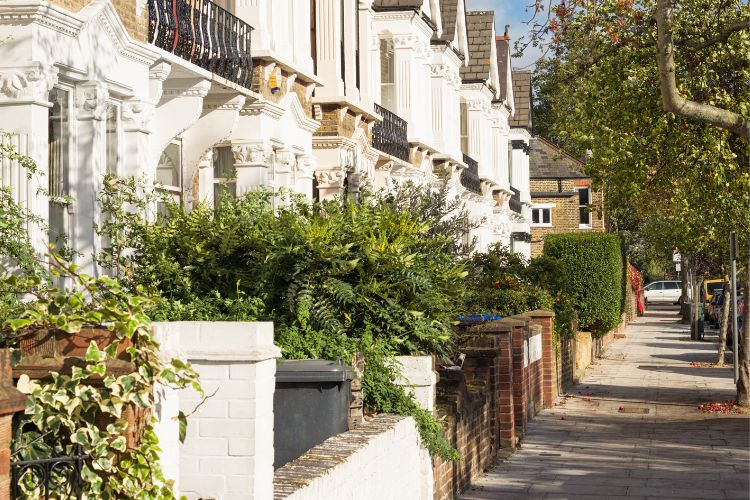
Period and Victorian housing. Much of the capital's stock is Victorian or Edwardian, and these properties commonly show roof spread, bowing or cracked walls, ageing timber and dated electrics — all of which a Level 3 survey is designed to assess.
London clay and subsidence. Large parts of London sit on shrinkable clay, leaving properties vulnerable to subsidence and movement, particularly near mature trees. Our surveyors examine crack patterns closely to judge whether they're cosmetic or structural.
Basement and loft conversions. Conversions and below-ground extensions are common across London but aren't always built to standard or with the right approvals. A building survey assesses the quality of the work and flags anything that warrants further checks.
Conservation areas and listed buildings. Many London homes sit within conservation areas or are listed, which affects what alterations are permitted and how defects must be remedied — something we factor into the advice we give you.
Is a Building Survey the Right Choice for You?
A Level 3 Building Survey is the most appropriate option for older, larger, altered or unusual properties, and for any home with known issues or planned works — which describes a great deal of London's housing.
If you're buying a more modern, conventional property in good condition, a lighter-touch survey may be enough. Our RICS Level 2 HomeBuyers Report offers a solid assessment for those properties at a lower cost. If you're genuinely unsure which level you need, our full range of property surveys explains when a Level 2, defect report or specialist inspection is the better fit.
What to Expect: The Survey Process
Once you've booked, our surveyor arranges access and attends the property to carry out the inspection, which typically takes two to three hours depending on size and complexity. You'll then receive your written report, including photographs and our findings. We're always happy to follow up with a phone call to talk you through the report, answer questions and advise on next steps — so you're never left to interpret a technical document on your own.
Book Your London Building Survey
Buying in London is a significant commitment, but the right survey removes the uncertainty. With a detailed Level 3 report and clear advice from an RICS Chartered Surveyor, you'll understand your property's true condition and be well placed to protect your investment.
In short
A building survey in London is an RICS Level 3 Building Survey — the most detailed property inspection available. It assesses the structure, roof, damp, timber and services, and explains the cause of any defects, the repairs needed and their likely cost. It's best suited to older, larger or altered properties, which covers much of London's housing. Prices start from £850, depending on the property's size and value.
Reviewed by
David Toogood FRICS,
Chartered Surveyor at Harding Chartered Surveyors
Last reviewed
Benefits of a Building Survey
- A peek into the future
Our detailed reports help you save money in the long run by highlighting even seemingly minor issues that could exacerbate and become costly to repair if neglected. - A comprehensive insight into a property’s condition
You don’t need to risk borrowing hundreds of thousands (or even millions) of pounds to buy a home that could prove to be a poor investment because a building survey details the condition of the roof, timber defects, all internal and external areas and more. - A powerful bargaining chip at the negotiating table
Not all problematic properties need to be avoided, but you need to know whether the asking price is a true reflection of the home’s value. You could secure a property for much less than its asking price by highlighting the areas which require attention.
Building Survey Cost
The cost of a building survey in London depends mainly on the size and value of the property. Our prices currently start from £850 for a Level 3 Building Survey.
It pays to know what you're getting. A mortgage valuation might feel like it covers the same ground, but it doesn't — it exists only to reassure the lender that the property is adequate security for the loan. It won't detail the extent of any problems or tell you what repairs will cost. A building survey will.
FAQs
How much does a building survey cost in London? Prices for a building survey in London start from £850 for an RICS Level 3 Building Survey, with the exact fee depending on the size and value of the property. You can get a fixed, no-obligation price using our instant quote tool.
Do I need a building survey or a homebuyer report? It depends on the property. A Level 3 Building Survey suits older, larger, altered or unusual homes, or any property with known issues — which describes much of London's period stock. A Level 2 Homebuyers Report can be appropriate for more modern, conventional properties in good condition. If you're unsure, our surveyors can advise on the right level for your property.
How long does it take to complete a building survey? The duration depends on the property's size, type and complexity. A site inspection typically takes around 2-3 hours, though larger properties or those with specific issues may require additional time.
When should I schedule a follow-up call with the surveyor? It's a good idea to schedule a follow-up call within a week of receiving the survey report, so you can clarify any concerns, ask questions about the findings and get expert advice on the next steps.
What happens if the survey identifies significant defects or structural issues? If significant defects or structural issues are uncovered, discuss them with your surveyor and solicitor to understand the implications, potential repair costs and any impact on the property's value. You may use this information to renegotiate the price or reconsider your purchase.
Building Survey vs Full Structural Survey?
You may also see this service called a "Full Structural Survey." It's the same thing. "Full Structural Survey" is the older term for what RICS now standardises as the Level 3 Building Survey. The modern report covers everything the old structural survey did, but goes further — adding tailored advice on remedial action, estimated costs and the property's construction. If you've been quoted for a structural survey in London, it's the same level of inspection.
Building Survey Example Report
Download a sample of the typical building survey report our Chartered Surveyors produce.