
Chartered Surveyors in West London
Independent advice for buyers, owners, landlords and professional clients across West London.
Request current fees for your property and required service
No obligation · Discuss your requirements with our team
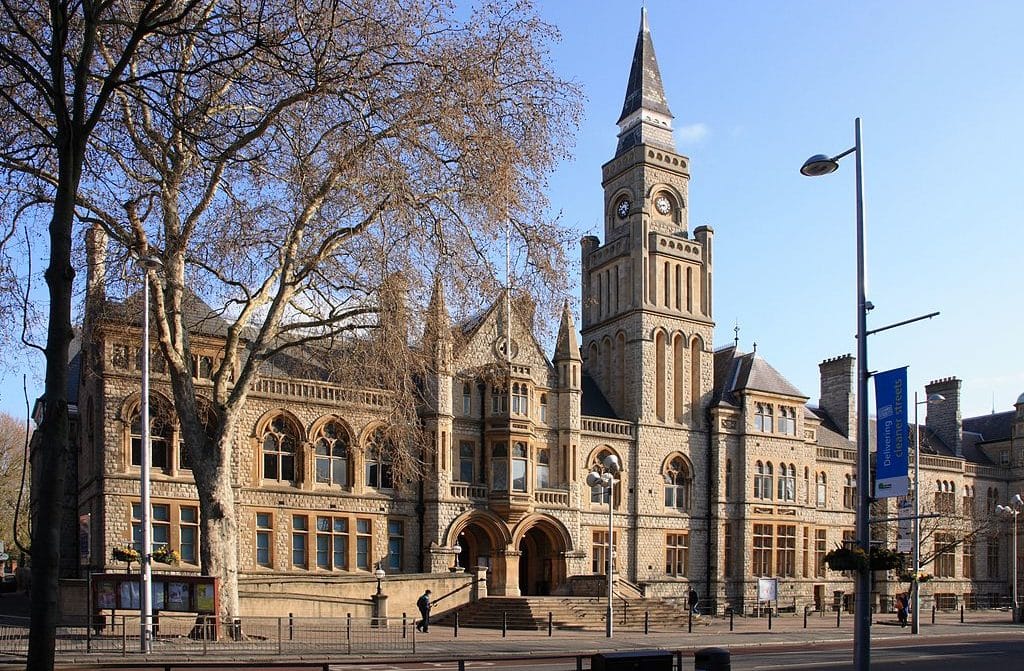
West London includes prime stucco terraces, red-brick mansion blocks, compact Victorian cottages, Edwardian family houses, inter-war suburbs and large modern developments. Harding Chartered Surveyors provides RICS Level 2 and Level 3 surveys, formal valuations and specialist advice across this varied market. The Fulham and Harrow offices give practical coverage from the inner-west neighbourhoods to the north-western suburbs.
A reliable inspection considers not only age but also change. Many West London properties have basement rooms, loft conversions, rear extensions, roof terraces or flat conversions. These can perform well when properly designed and maintained, yet poorly detailed junctions, restricted ventilation, hidden structure and incomplete records can create risk. The report explains what was observed and what should be checked before exchange.
Areas covered in West London
This regional hub links to Notting Hill, Chiswick, Hammersmith, Ealing, Hounslow, Hillingdon and Harrow. It can also guide users from Acton, Shepherd’s Bush, Brentford, Hanwell, Southall and nearby districts. Properties south of the Thames are covered in our South West London guide, with further local pages for Fulham, Battersea, Wimbledon, Richmond and surrounding areas.
Choosing the right RICS survey
Level 2 suits many conventional houses and modern flats that appear to be in reasonable condition. Level 3 is more appropriate for older or high-value period property, substantial alteration, non-standard construction, visible defects or planned refurbishment. In either case the surveyor records inspection limitations; inaccessible roof voids, locked plant rooms and concealed structure cannot be treated as though they were seen.
A concise inspection for conventional houses and flats that appear to be in reasonable condition. It uses clear condition ratings and highlights matters that need urgent attention or further investigation.
A more detailed assessment for older, altered, large, unusual or visibly defective property. It explains construction, the nature and consequences of defects, repair priorities and maintenance implications.
Specific defect, roof, commercial, schedule of condition, dilapidations and expert-witness instructions are available where a standard home survey would not answer the client’s particular question.
A mortgage valuation is not a survey. It is prepared for the lender to consider security and may involve only a limited inspection. A buyer who wants independent advice on condition, repair exposure and further investigations should commission an appropriate survey in their own name.
Property considerations in West London
Large purpose-built blocks may have lifts, communal heating, complex roofs, decorative façades and cyclical maintenance programmes. Buyers should combine the survey with service-charge accounts, reserve-fund details and planned-works information. The report comments on accessible common parts and visible fabric, while the lease and management records establish who must repair each element and how costs are shared.
Space pressures have encouraged side-return extensions, loft conversions and lower-ground alterations. The inspection looks for damp, inadequate ventilation, leakage, cracking and poorly resolved changes in construction. Planning, building-control, freeholder and party-wall documents should be checked separately. A roof terrace also needs clear rights, safe guarding and properly maintained waterproofing below the finishes.
Busy roads, railways and aircraft routes affect parts of West London, but their significance is property-specific. A building survey is not a noise survey or environmental search. Clients who are sensitive to noise should revisit at relevant times, review official mapping and raise targeted enquiries. Similarly, flood risk should be checked by address through the Environment Agency and the conveyancer’s searches rather than inferred from the region name.
NEIGHBOURLY SERVICES
Across West London, loft conversions, rear extensions, basement work and structural alterations frequently engage the Party Wall etc. Act 1996, particularly in terraces, semi-detached houses and converted buildings. Harding advises both building owners planning work and adjoining owners who have received a notice. The team can review proposals, prepare or check notices, record a photographic Schedule of Condition, act as Agreed Surveyor where appropriate, or prepare and agree a Party Wall Award. Early advice matters: it helps identify affected neighbours, statutory notice periods and access requirements before a programme becomes urgent.
A Party Wall surveyor’s statutory role is impartial. For wider guidance, visit Party Wall Matters or use the quotation form to describe the property, proposed works and any notice already received.
How the instruction works
The process is kept practical and transparent. Send the full address, sales particulars and any known concerns. Harding confirms the recommended service and fee, then coordinates access with the owner, agent, tenant or managing agent. The surveyor reviews the accessible property, records material findings and issues a written report setting out priorities and further enquiries.
- Define the question. Confirm whether the priority is condition, value, a specific defect or a dispute-related matter.
- Agree the scope. Disclose extensions, extensive grounds, outbuildings, private services and access restrictions before appointment.
- Inspect the property. The survey is visual and non-destructive unless a different scope has been expressly agreed.
- Review the evidence. The report distinguishes observed defects from matters needing documents, tests or specialist investigation.
- Plan the response. Use urgent findings for pre-contract enquiries and retain maintenance items for budgeting after completion.
Clients should read the entire report rather than rely only on condition ratings or the executive summary. Several modest defects can interact—for example, defective rainwater goods, high ground levels and poor ventilation may together explain internal moisture. Where cost could affect the purchase decision, obtain quotations from appropriately qualified contractors before exchange.
Nearest Harding Chartered Surveyors office
Local office
1 Selborne Gardens, Harrow NW4 4SH
The Harrow Office is the nearest Harding base shown for West London, with Fulham providing additional coverage for south-western instructions.
General enquiries:
020 7736 2383
enquiries@hardingsurveyors.co.uk
What our clients say
















Chartered Surveyors in West London FAQs
Which office covers West London?
Send the full property address and required service so the team can direct your enquiry to an appropriate office and allocate a surveyor according to location and availability.
Do you inspect mansion-block communal areas?
Accessible common parts can be inspected within the agreed scope. Management records and the lease are still needed to understand planned expenditure and responsibility.
Should a basement flat have a Level 3 survey?
Its age, construction, alteration and visible condition determine the choice. Lower-ground moisture and ventilation risks often make the additional detail of Level 3 worthwhile.
Can you provide a lease extension valuation?
Yes. This is a specialist valuation based on the lease interest and relevant evidence, not a general estimate of the flat’s sale price.
Request property advice in West London
Send the full address, property details and the reason you need advice. Include sales particulars, drawings and any known concerns. We will confirm the service, scope, current fee, VAT treatment and expected timing before instruction.
Call 020 7736 2383 or send our team a message if you would like advice before requesting a quotation.