
Boundary Surveys in London
Clear evidence and practical advice where a property boundary is uncertain or disputed. We review the available documents and site features to explain our professional opinion.
Bespoke quotation · scope and fee agreed before instruction
No obligation · Discuss your requirements with our team
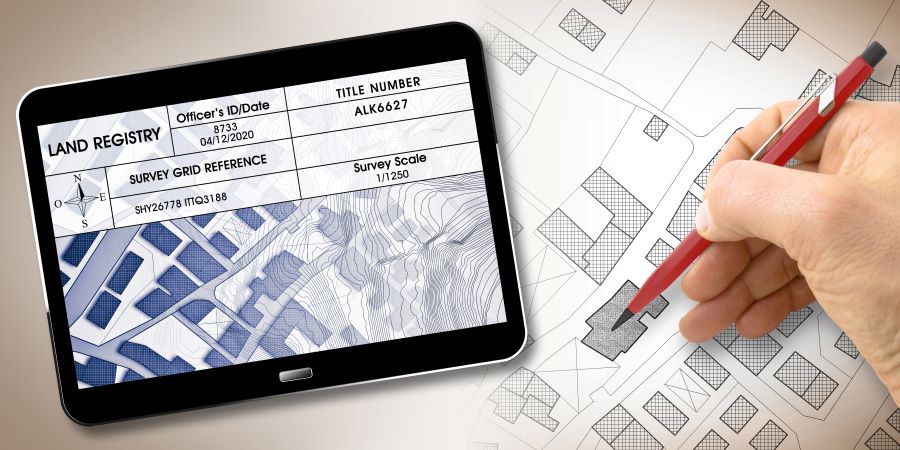
A boundary survey can help owners understand the evidence for the position of a property boundary before building work, a transaction or discussions with a neighbour. Harding Chartered Surveyors provides boundary advice across London and the South East, with the instruction matched to the question you need answered.
A surveyor’s report provides evidence and a professional opinion. It does not automatically bind a neighbour, determine ownership conclusively or change the Land Registry title plan.
When might you need a boundary survey?
A boundary question may arise when replacing a wall or fence, planning an extension, buying or selling property, or resolving disagreement about the land beside a building. Sometimes the concern is the position of the boundary; in other cases it is ownership or maintenance of a particular feature.
Explain the practical issue when you enquire. Site measurement, document review, an advisory report, work to support mediation and an expert report for court proceedings are different services. We will discuss the appropriate brief rather than assuming every enquiry requires the same report.
If building work is proposed close to another property, the party wall procedure may also need consideration. That procedure does not empower party wall surveyors to decide the legal boundary.
Legal boundaries and physical features
A legal boundary is the line separating ownership. A physical boundary is a visible feature such as a fence, wall or hedge. The feature may be on the legal line, alongside it or in a position that has changed over time.
The position of fence posts does not reliably establish ownership, and there is no general rule that an owner maintains the left-hand boundary. Deeds, relevant agreements and the history of the site need consideration.
The location of a feature, the ownership of that feature and an obligation to maintain it can be separate questions. A report should explain the evidence and any uncertainty rather than presenting a visible fence as conclusive proof.
What does a Land Registry title plan show?
Most registered titles have general boundaries. The red edging identifies the registered land but normally does not show the precise legal line. Measurements scaled from a small-scale title plan should not be treated as an exact boundary on the ground.
Relevant deeds, conveyances, filed plans, agreements and other documents may help. The wording and circumstances of the conveyance that separated the land can be important, alongside reliable physical and historical evidence.
Send the title register and plan, any available deeds, earlier surveys, photographs and relevant correspondence. Tell us if a boundary has already been agreed or determined.
What does the survey involve?
Agree the brief
Identify the disputed feature or question, parties, documents and required output.
Review the evidence
Consider the relevant title documents, plans and available history.
Inspect the site
Record accessible features and measurements appropriate to the instruction.
Explain the findings
Set out the surveyor’s opinion, supporting evidence, limitations and possible next steps.
A measured plan or topographical survey may form part of an agreed instruction, but it should not be assumed to resolve the legal question by itself. Restricted access or missing documents can affect the conclusions that can be drawn.
Can the survey change the registered boundary?
A completed survey does not automatically update the register. A boundary agreement records the position agreed between neighbours; a determined-boundary application follows a separate Land Registry process to record a precise line.
These routes have different requirements and implications. Where registered land is involved, an agreement may be recorded on the register, but an ordinary survey plan does not itself establish an agreed or determined boundary.
Ask an appropriate legal adviser about the effect of an agreement, any transfer of land, registration and how the proposal affects future owners. We can discuss the survey evidence and plan required for the intended purpose.
What if the neighbour disagrees with the report?
A report can help focus discussions by setting out the evidence, but the other owner may have additional documents or a different view. Exchange relevant information and consider whether negotiation or mediation can help before committing to litigation.
See our boundary disputes protocol guide for the broader approach. Court or tribunal proceedings are not an automatic consequence of disagreement, and urgent issues or legal time limits need case-specific advice.
If expert evidence is needed in proceedings, that requires a suitable instruction and compliance with the court’s requirements. An expert’s overriding duty is to assist the court, rather than act as an advocate for the person paying the fee.
How much does a boundary survey cost?
Boundary enquiries vary widely. Fees depend on the extent of land and features, documentary material, access, measured survey requirements, report purpose and any later discussions or proceedings.
Your bespoke quotation confirms what is included, the fee, applicable VAT and anticipated timing. Additional meetings, mediation, expert reports or court attendance should be separately identified where relevant. Do not assume one owner must always pay: responsibility can depend on what is commissioned and any agreement or legal determination.
Send the address, a short explanation of the issue, the relevant documents and any deadlines. This helps us identify the work needed before providing a quotation.
Boundary evidence and official information
HM Land Registry’s boundary guidance explains legal and physical boundaries, general title plans and possible next steps. Its boundary agreement guidance explains that separate route.
The court expert’s duty is set out in Civil Procedure Rules Part 35. These sources provide general information; the interpretation of particular deeds and rights needs advice on the property concerned.
What our clients say
















Your questions answered
Can a surveyor decide the legal boundary?
A surveyor can assess evidence and provide a reasoned professional opinion or appropriate plan. The report does not automatically bind the neighbour. Agreement, registration procedures or a court or tribunal determination may be relevant, depending on the circumstances.
Does the red line on the title plan show the exact boundary?
Usually it shows a general boundary, not a precise legal line. The plan should be read with the register, relevant deeds and other evidence. Scaling a measurement from the red edging is not a reliable way to fix the exact line.
Will my Land Registry plan be updated after the survey?
Not automatically. Correcting an error, recording a boundary agreement and applying for a determined boundary are separate processes. A survey can provide evidence or a plan, but the relevant requirements still have to be met.
Who is responsible for maintaining a fence or wall?
The answer may depend on deeds, agreements and other evidence. There is no general rule that an owner always maintains the left-hand boundary or owns the side with the posts. Ownership and maintenance obligations can differ.
What documents should I provide?
Send the title register and plan, available deeds or conveyances, earlier reports or plans, photographs and relevant correspondence. Explain the disputed area and any proposed work or deadlines.
Must a disagreement go to court?
No. Relevant evidence can help negotiation or mediation. Proceedings may be necessary in some cases, but legal advice should address the options, costs, urgency and any time limits. An ordinary advisory survey is different from a court expert instruction.
Discuss your boundary survey with Harding
Describe the boundary question, property address and any active disagreement or proposed works. Let us know which title documents and plans you have so we can agree the appropriate scope and quotation.
Call 020 7736 2383 or send our team a message if you would like advice before requesting a quotation.