
Other Property Services
A particular defect, a planned alteration or a property dispute calls for advice that answers the right question. Find the specialist service you need across London and the South East.

Some property decisions need a closer look at one issue. You may have noticed a crack, be planning to remove a wall, need a record of a building’s condition or have received a claim about repairs. Choosing the appropriate specialist instruction matters as much as choosing the surveyor.
Harding Chartered Surveyors provides a range of services beyond general building surveys and property valuations. This guide brings together our defect investigations, residential structural engineering, condition records, dilapidations advice and expert witness services. Tell us what you need to establish, and we can discuss a suitable scope before you instruct us.
Which service do you need?
Specific Defect Reports
A focused inspection of an identified concern, such as damp, cracking or timber decay, with advice on likely causes and the next steps.
Subsidence Surveys
Investigate signs of possible ground movement and understand whether further investigation, monitoring or specialist repair advice is appropriate for the property.
Structural Engineering
Residential engineering advice for extensions, conversions and changes to walls or beams, including structural design and calculations where required by the agreed instruction.
Schedules of Condition
A written and photographic record of a property’s visible condition at a particular date, creating a useful reference for later comparison.
Dilapidations Advice
Advice for landlords and tenants on property condition, schedules of dilapidations and responses to claims, considered alongside the relevant lease documents.
Expert Witness Reports
An independent professional opinion on a property matter, with the evidence and reporting requirements agreed for the particular dispute or proceedings.
Investigating defects and suspected movement
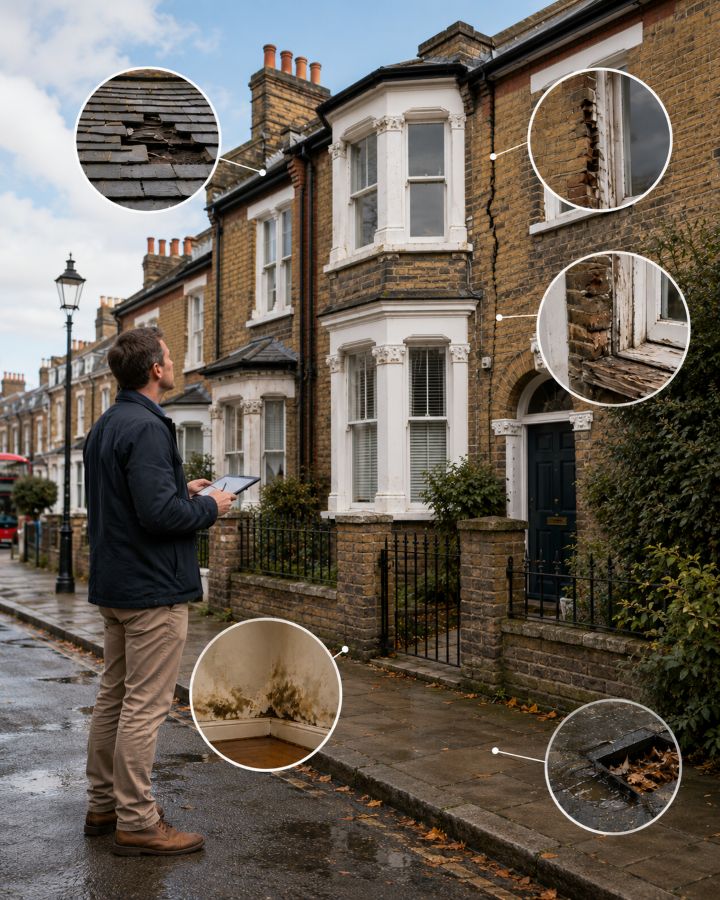
A Specific Defect Report concentrates on an issue that has already been identified. It may follow a home survey, a change noticed by an owner or a concern raised before renovation. Typical subjects include water ingress, chimney or lintel defects, decay, inadequate alterations and problems associated with extensions.
Suspected movement may instead require a Subsidence Survey. Cracking has different possible causes; its appearance alone does not establish subsidence. An investigation considers the pattern of damage and the property’s circumstances, with recommendations for further enquiries where the available evidence is insufficient.
Before the visit, share photographs, earlier reports and any record of when the problem appeared or changed. Explain whether you are buying, maintaining or altering the property. That context helps define the question the inspection needs to answer, rather than treating every instruction as the same exercise.
Structural advice for changes to your home
A proposed layout can look straightforward on a plan while raising important structural questions. Our residential structural engineering services cover projects such as extensions, loft and garage conversions, wall removal and alterations involving beams or chimney breasts.
The starting point is the existing building and what you want to change. The agreed service may include an inspection, structural drawings, design advice and engineering calculations. Confirm which documents your architect, contractor or building control team needs so the instruction can be coordinated with the wider project.
Read our local engineering guidance for North London, South East London, South West London and West London. If the plans are still developing, send the information you have and describe the intended work. We can discuss what is needed to prepare a useful proposal.
What our clients say
















Record condition before a lease or building work
A Schedule of Condition records the visible state of a building at a particular date. Written descriptions and photographs provide a reference against which later changes can be considered.
It can be useful before taking a lease or before nearby building work begins. Agree the areas to be recorded and arrange access early, while the relevant surfaces remain visible. A condition record serves a different purpose from a report investigating why a defect has occurred.
For a lease, discuss with your solicitor how the schedule should be referenced in the documents. Its existence alone does not automatically determine a tenant’s repairing responsibilities.
Understand repairs and dilapidations
Questions about disrepair can arise before, during or at the end of a tenancy. A dilapidation survey assesses condition, while a Schedule of Dilapidation identifies alleged breaches and the associated works or costs.
For landlords, our advice can include preparing a schedule and discussing the evidence with the tenant’s surveyor. For tenants, it can include reviewing a claim, considering its scope and cost, and preparing a response. The relevant lease, alterations and intended future use of the premises all need consideration.
Provide the lease, licences for alterations, any earlier condition record and the correspondence received. Mention dates or deadlines at the outset. A measured assessment of the documents and building helps establish which points need investigation or discussion.
Independent evidence when opinions differ
When a disagreement turns on a property’s condition, value or the quality of work, an Expert Witness Report can bring a professional assessment of the evidence to the discussion. Harding’s services include matters concerning building surveys, valuations, landlord and tenant disputes, housing disrepair, construction claims and professional negligence.
The instruction should identify the issues, the information available and the purpose of the report. Tell us whether solicitors are involved and whether a particular reporting format or timetable has been requested. An expert’s opinion must remain independent; it cannot be promised to favour the person instructing them. Any further attendance or involvement should be agreed separately.
What affects the scope and cost?
Specialist services are priced around the work required. A focused inspection of a single accessible defect differs from a structural design instruction, an extensive condition record or a report involving detailed document review. Property size, location, access, complexity and the required deliverables can all affect a quotation.
Send the address, a description of your concern and any relevant drawings or reports. Include the purpose of the advice and any deadline connected with a purchase, lease or proposed works. We can then discuss a scope and fee rather than relying on a generic price list.
If you need a broader assessment of a property before purchase, compare our survey options first. For a question about value rather than condition, see our valuation services.
How we can help
Tell us what you need
Describe the property, your concern and the decision you are trying to make. Share relevant documents and flag any deadline at the outset.
Agree the scope
Confirm the service, areas to be inspected, documents required and fee. Check any access arrangements and clarify what will be included in the instruction.
Inspection and assessment
The appointed professional carries out the agreed work. Where access or the available evidence limits an assessment, the need for further enquiries can be discussed.
Receive your advice
Review the findings or agreed deliverables and raise any questions. Use the advice to plan your next step, with other professional input where the matter requires it.
Frequently asked questions
Do I need a Specific Defect Report or a full building survey?
A defect report addresses an identified concern. A full building survey considers the property more broadly. Tell us whether you need an answer about one problem or a wider assessment before buying.
Does a crack mean my property has subsidence?
Not necessarily. Cracks have several possible causes. Their position, pattern and history need to be considered with the building and site. An inspection may identify a need for further investigation or monitoring.
Can you help before I remove an internal wall?
Our residential structural engineering service covers alterations to internal walls. Send the address and proposed plans so we can discuss the inspection, calculations or drawings needed for your project.
Is a Schedule of Condition the same as dilapidations advice?
They serve different purposes. A condition schedule records the building at a date. Dilapidations advice considers alleged disrepair or reinstatement obligations alongside the lease and supporting evidence. The two can be relevant to the same tenancy.
What should I provide when requesting a quote?
Give the property address, the reason for the instruction and any deadline. Photographs, drawings, previous reports, leases or correspondence may also help. Only send material relevant to the service you are requesting.
What if I am unsure which service to choose?
Describe the situation in the quotation form or call 020 7736 2383. Explain what you need to find out, rather than choosing a report solely by its name. We can discuss the appropriate next step.
Request a specialist service quote
Choose your service below and tell us about the property. Some instructions need a bespoke quotation after we review the details; the form will guide you through the information required.
If you have not decided which report you need, describe the concern and what you hope to establish. For a conversation with our team, call 020 7736 2383 or contact us. We will help you identify the relevant service before you proceed.