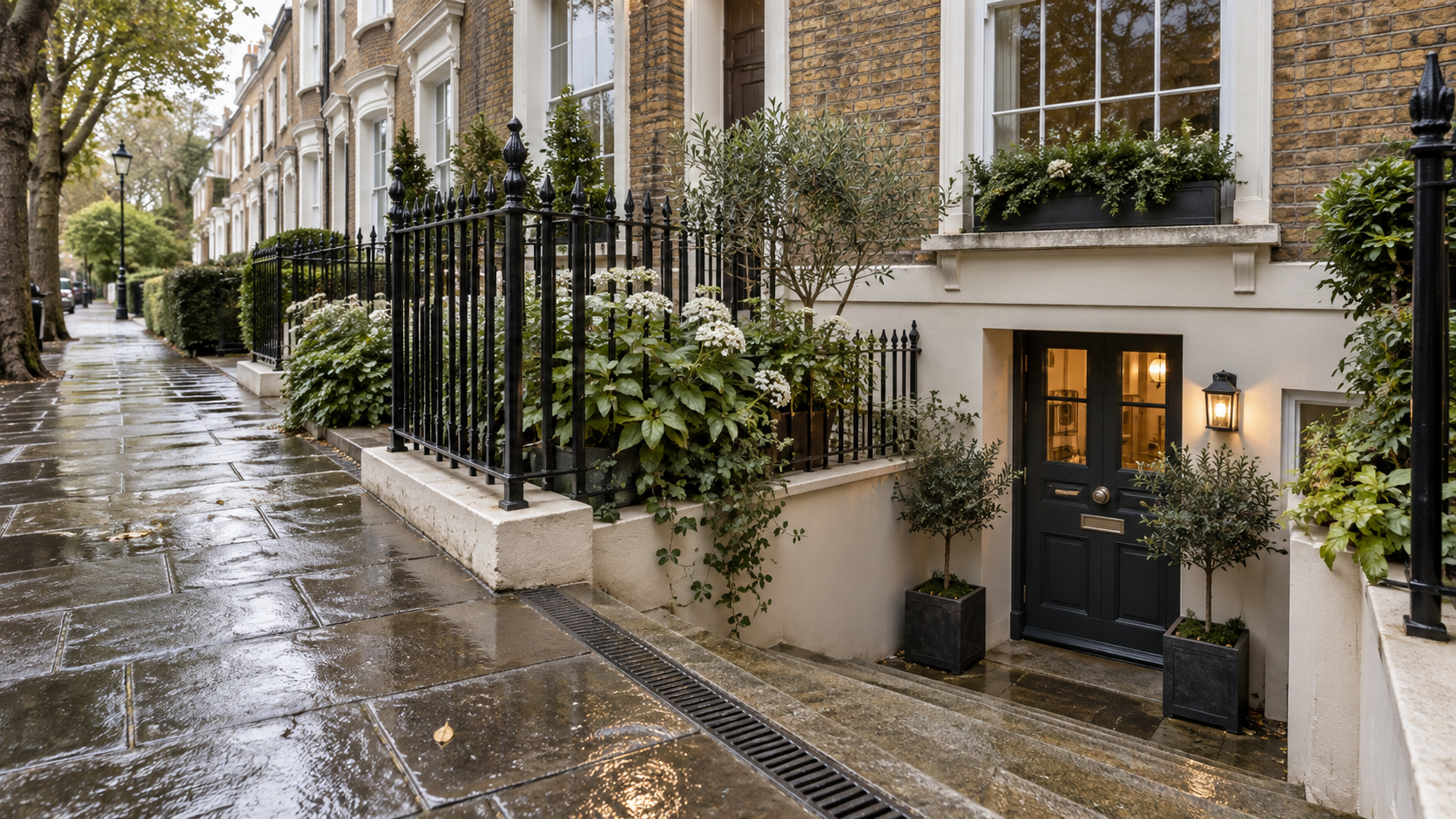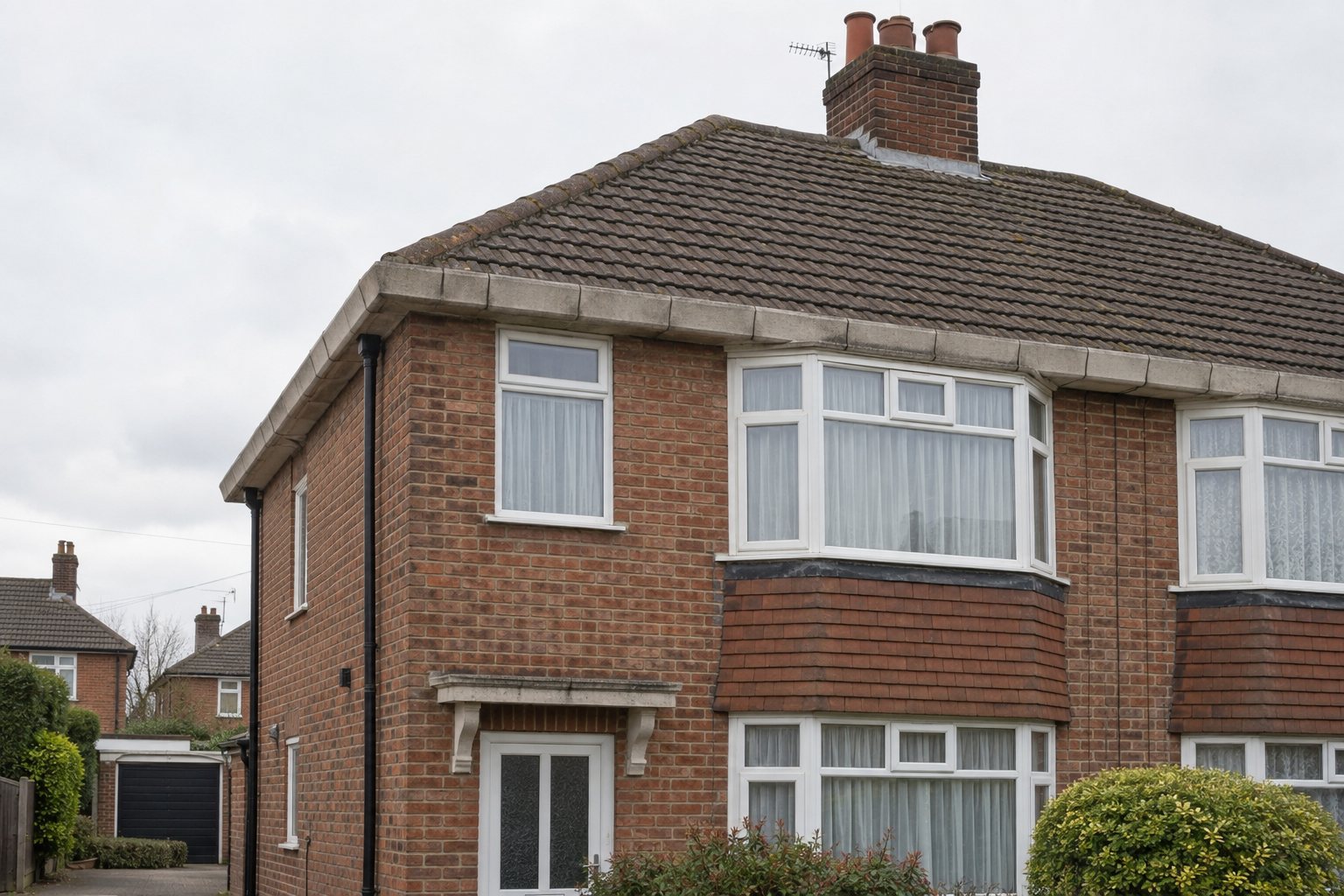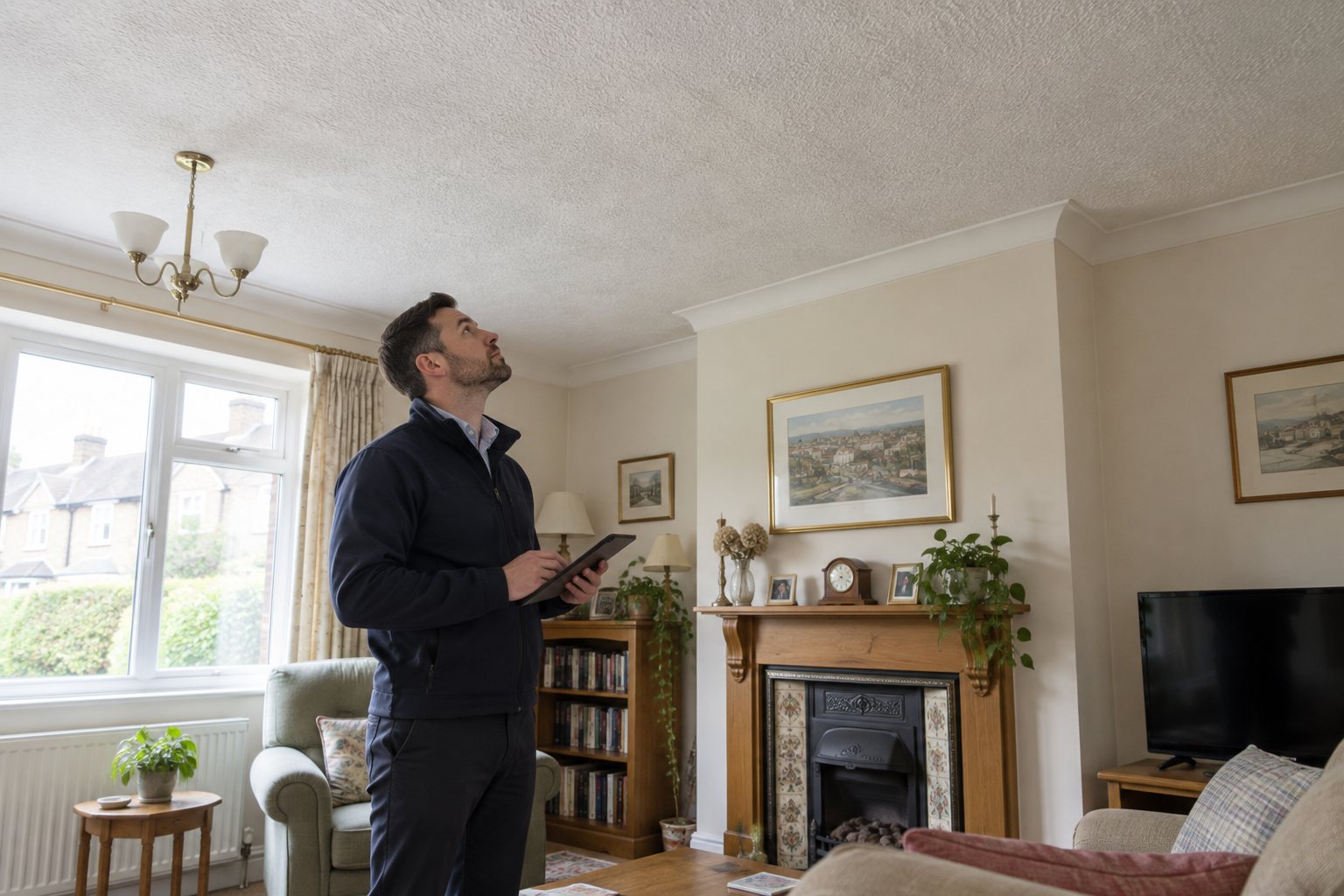

A Victorian conversion flat can be a wonderful London home: high ceilings, generous windows, period detailing and an established neighbourhood. But the flat is also part of an older building that may have been altered several times since it was built.
The useful question is not simply, “Do I need a survey?” It is: “What do I need the survey to help me understand before I commit?”
A careful survey will not make an older property risk-free, nor can it see through walls or replace legal checks. It can, however, give you a clearer view of the visible condition of the building, the relative importance of defects, and where further specialist advice is sensible.
You are buying into a building, not just a flat
In a Victorian conversion, the most consequential issues may sit beyond the rooms you will occupy. The roof, chimneys, external walls, rainwater goods, foundations, shared entrance, drains and common parts may all affect the flat’s condition or future costs. Responsibility for repairs, however, depends on the lease and the building’s management arrangements.
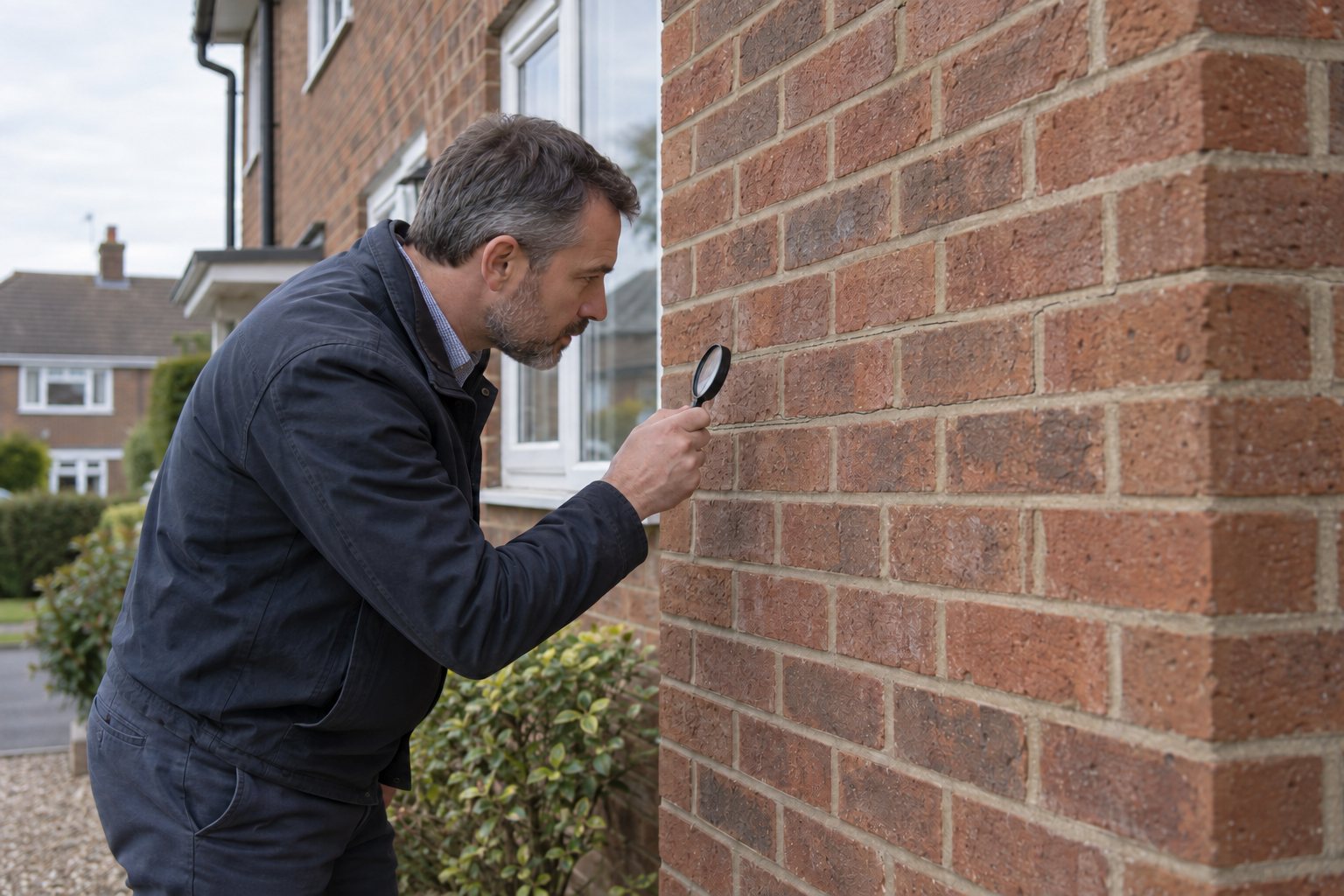
That is why it is worth looking beyond a smartly presented kitchen or recently decorated bedroom. A hairline crack, a stain around a window, a tired roof covering or a poorly maintained gutter does not automatically mean a major defect. Equally, fresh paint should not be treated as proof that an earlier problem has been resolved.
Before instruction, ask whether the surveyor is likely to be able to inspect accessible common parts, the roof space, cellar or basement areas, and the relevant external elevations. Access matters. Where it is not available or safe, a good report should record that limitation and explain what it means for the advice given.
Treat moisture as a building question, not a one-word diagnosis
Traditional buildings often use permeable materials, including brick, timber and lime-based mortars, plasters and renders. Historic England explains that these materials can absorb and release moisture, behaving differently from many modern cavity-wall constructions. That is a useful antidote to simplistic assumptions about older walls.
For a Victorian conversion, visible staining, mould, damaged plaster or decayed joinery should prompt questions about the source of moisture. Possibilities can include defective gutters, leaking pipes, failed sealants, poor ventilation, condensation, ground levels or inappropriate past repairs. The visible symptom alone does not establish the cause.
This matters if you are considering insulation, replacement windows or internal alterations. A surveyor may recommend targeted investigation or a specialist opinion where the visible evidence does not allow a reliable conclusion.
Investigate alterations as carefully as original fabric
Many Victorian conversions have later additions: a loft room, basement conversion, removed chimney breast, reconfigured bathroom, structural opening, rear extension or replacement windows. These may be perfectly sound, but they change the questions a buyer should ask.
Look for clear information on when works were done, who carried them out, and what approvals or completion records exist. Your conveyancer should investigate the legal and documentary position; a home survey is not a substitute for that work. If you intend to alter the flat after purchase, raise this with the surveyor before the inspection so the report can address relevant visible issues.
Also check whether the property is listed or within a conservation area. Listed-building consent may be required for work affecting a listed building’s special architectural or historic interest, while Article 4 directions can restrict certain works in conservation areas. Historic England and the relevant local authority are the right starting points for those checks.
Level 2 or Level 3: choose on evidence, not age alone
A Victorian date does not automatically mean that every flat needs a Level 3 survey. RICS says that the appropriate level normally depends on the property’s age, size, condition, complexity and originality.
An RICS Level 2 Home Survey can be suitable where the flat appears conventionally built, is in reasonable condition, and has no obvious significant alterations or deterioration. It provides a visual assessment of condition, highlights visible defects and risks, and helps you decide whether more investigation is needed.
An RICS Level 3 Home Survey is usually the more prudent choice where the property is older, unusual, altered, run-down, has visible signs of concern, or where you plan major refurbishment. It provides a more detailed visual inspection and more extensive advice on construction, defects, repair options, priorities and maintenance.
Neither is a destructive investigation. Even a Level 3 cannot inspect parts that are inaccessible, concealed or unsafe to reach, and it does not test service installations. Where an electrical, gas, drainage, asbestos or structural issue needs investigation, the report may recommend an appropriately qualified specialist.
Questions worth asking before you exchange
Ask the seller, agent or managing agent:
- Have there been roof leaks, plumbing leaks, insurance claims, damp investigations or major repairs?
- Are roof works, external decoration, window replacement, drainage works or other major projects planned, underway or recently completed?
- Is there a reserve fund, and are there current or recent Section 20 consultation notices?
- What works have been carried out to the flat or building, and are relevant approvals, warranties and completion documents available?
- Can the surveyor access the loft, roof space, cellar, communal areas and relevant external areas?
Ask your surveyor:
- Given the age, condition and alterations, why do you recommend Level 2 or Level 3?
- What will be outside the inspection scope or inaccessible on the day?
- Are there visible signs that justify specialist investigation before exchange?
- Can the report comment on issues relevant to my planned renovation?
- If repairs are identified, can likely priorities and next steps be explained clearly?
Ask your conveyancer to investigate the lease, service-charge history, building insurance, reserve fund, planned major works and responsibility for the structure and common parts.
The most valuable outcome is clarity
A well-scoped survey is not about producing a frightening list of defects. It is about helping you distinguish routine maintenance from issues that deserve further investigation, cost allowance, renegotiation or reconsideration.
For a Victorian conversion, give the surveyor as much context as possible before they inspect: the sales particulars, your renovation plans, documents supplied by the seller and your concerns from viewings. That preparation makes the choice between Level 2 and Level 3 more meaningful — and the report more useful when you need to make a decision.
Sources and scope
This is general information, not legal, lending, asbestos or specialist repair advice.