Chartered Surveyors in South East London
Independent advice for buyers, owners, landlords and professional clients across South East London.
Request current fees for your property and required service
No obligation · Discuss your requirements with our team
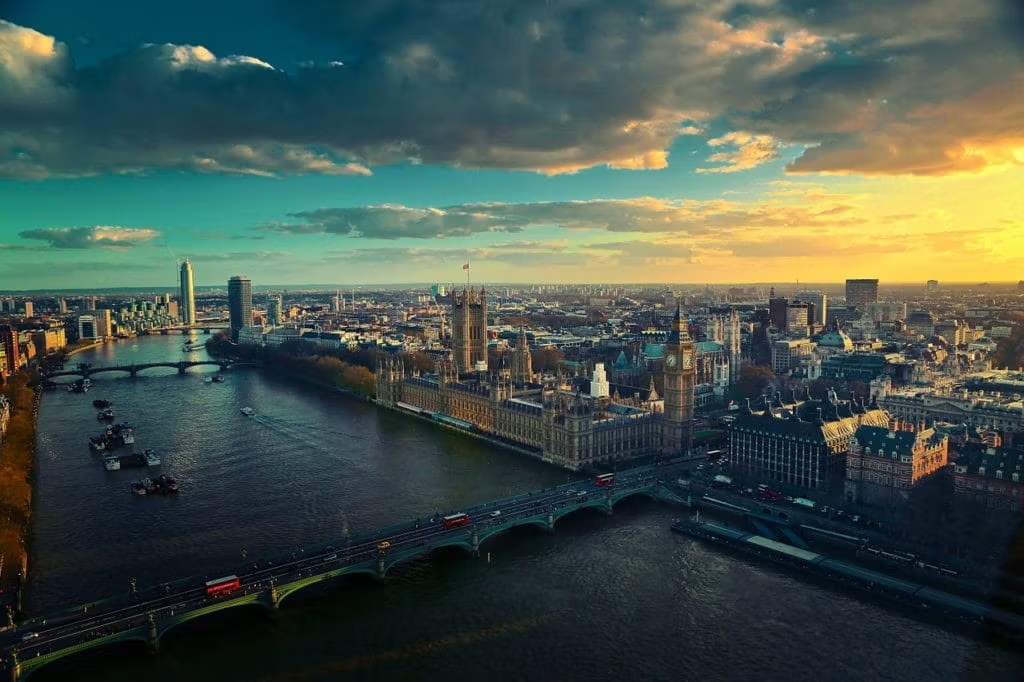
South East London combines tightly packed Victorian streets, hillside neighbourhoods, garden suburbs, post-war estates and major town-centre redevelopment. Harding Chartered Surveyors provides independent RICS surveys and valuations throughout the region, supported by offices in Bexley, Clapham and Tooting. The right scope depends on the property’s age, construction, alterations and tenure rather than a one-size-fits-all borough description.
Our reports are written to support a decision. They identify material defects, explain likely consequences, flag limitations and set out sensible further enquiries. For a house that may mean roof coverings, drainage, movement, damp and extension detailing. For a flat it also means understanding common parts, management responsibility, planned works and the difference between what the surveyor can inspect and what the lease or managing agent must confirm.
Areas covered in South East London
Dedicated guides cover Oval, Crystal Palace, Peckham, Lewisham, Greenwich, Sutton, Bexley, Bromley and Croydon. We also welcome enquiries from Blackheath, Dulwich, Deptford, Bermondsey, Catford, Eltham and surrounding districts. Use the local guides below to explore the property types and surveying considerations in each area.
Choosing the right RICS survey
A Level 2 Home Survey is a concise option for a conventional property in reasonable condition. A Level 3 Building Survey provides greater detail on construction, defects and repairs, making it appropriate for older, extended, unusual or visibly compromised buildings. Clients buying for refurbishment should usually choose Level 3 so the report can better support budgeting and design discussions, while recognising that opening-up and services testing are outside a normal visual survey.
A concise inspection for conventional houses and flats that appear to be in reasonable condition. It uses clear condition ratings and highlights matters that need urgent attention or further investigation.
A more detailed assessment for older, altered, large, unusual or visibly defective property. It explains construction, the nature and consequences of defects, repair priorities and maintenance implications.
Specific defect, roof, commercial, schedule of condition, dilapidations and expert-witness instructions are available where a standard home survey would not answer the client’s particular question.
A mortgage valuation is not a survey. It is prepared for the lender to consider security and may involve only a limited inspection. A buyer who wants independent advice on condition, repair exposure and further investigations should commission an appropriate survey in their own name.
Property considerations in South East London
Neighbourhoods around Crystal Palace and parts of the wider region include marked changes in level. Retaining walls, stepped gardens and below-ground areas should be considered alongside drainage and cracking. A survey records visible condition and warns where access is limited; it does not assume that every crack on a slope is structural, nor that a wall is adequate without seeing its construction.
Victorian and Edwardian terraces have often been opened up, extended and converted. Side-return roofs, parapets, valley gutters, lower-ground ventilation and junctions between old and new construction are common maintenance points. Legal advisers should confirm consents and party-wall documentation, while the surveyor explains visible performance and any evidence that warrants specialist follow-up.
South East London contains local-authority estates, private mansion blocks and modern towers. Flat buyers need the lease, service-charge accounts, planned-works notices and building-safety information in addition to the survey. Newer does not mean maintenance-free: balconies, cladding interfaces, flat roofs, sealants and communal systems still require planned inspection and renewal.
NEIGHBOURLY SERVICES
Across South East London, rear extensions, loft conversions, chimney-breast removal and excavation beside neighbouring foundations can fall within the Party Wall etc. Act 1996. Harding acts for building owners and adjoining owners, reviewing the proposed work and ensuring that notices are directed to the correct legal owners. The service can include a photographic Schedule of Condition, consideration of structural details, access and protection provisions, and preparation or agreement of a Party Wall Award. Early advice helps prevent avoidable delay when contractors and start dates are being arranged.
A Party Wall surveyor’s statutory role is impartial. For wider guidance, visit Party Wall Matters or use the quotation form to describe the property, proposed works and any notice already received.
How the instruction works
The process is kept practical and transparent. Send the full address, sales particulars and any known concerns. Harding confirms the recommended service and fee, then coordinates access with the owner, agent, tenant or managing agent. The surveyor reviews the accessible property, records material findings and issues a written report setting out priorities and further enquiries.
- Define the question. Confirm whether the priority is condition, value, a specific defect or a dispute-related matter.
- Agree the scope. Disclose extensions, extensive grounds, outbuildings, private services and access restrictions before appointment.
- Inspect the property. The survey is visual and non-destructive unless a different scope has been expressly agreed.
- Review the evidence. The report distinguishes observed defects from matters needing documents, tests or specialist investigation.
- Plan the response. Use urgent findings for pre-contract enquiries and retain maintenance items for budgeting after completion.
Clients should read the entire report rather than rely only on condition ratings or the executive summary. Several modest defects can interact—for example, defective rainwater goods, high ground levels and poor ventilation may together explain internal moisture. Where cost could affect the purchase decision, obtain quotations from appropriately qualified contractors before exchange.
Nearest Harding Chartered Surveyors office
Local office
157 Dorchester Avenue, Bexley DA5 3AN
The Bexley Office is the principal Harding base shown for South East London. The Clapham and Tooting offices may be more convenient for Oval, Crystal Palace and western districts.
General enquiries:
020 7736 2383
enquiries@hardingsurveyors.co.uk
What our clients say
















Chartered Surveyors in South East London FAQs
Do you cover all South East London postcodes?
The team covers the wider region. Provide the full address and service required so the nearest appropriate office and surveyor can be assigned.
Is a Level 2 survey enough for a Victorian terrace?
It may be, if the house is conventional and in reasonable condition, but extensive alteration, visible defects or refurbishment plans usually favour Level 3.
What extra checks does a flat purchase need?
Review the lease, service charges, planned works, insurance and building-safety information. The survey and legal documents answer different parts of the same purchase decision.
Can a survey confirm why a wall is cracking?
Sometimes the visible pattern supports a clear opinion; sometimes monitoring, drainage checks or structural investigation are necessary. The report should explain the evidence and the proportionate next step.
Request property advice in South East London
Send the full address, property details and the reason you need advice. Include sales particulars, drawings and any known concerns. We will confirm the service, scope, current fee, VAT treatment and expected timing before instruction.
Call 020 7736 2383 or send our team a message if you would like advice before requesting a quotation.