
Desktop Valuation vs Full Valuation
Desktop valuation vs full valuation: the main difference is that a desktop valuation is completed using available property and market data, while a full RICS valuation includes a physical inspection by a qualified surveyor. Desktop valuations are usually faster and less expensive, but a full valuation provides a more detailed and dependable assessment of the property’s condition, features and market value. This guide compares the costs, timescales, advantages and limitations of both options so you can decide which valuation is appropriate.

What is an RICS Desktop Valuation?
A desktop valuation is a property valuation conducted without a physical inspection. Instead, the valuer relies on available data such as online resources, previous sales records, and market trends to estimate the property's value. This type of valuation is commonly used for mortgage purposes, refinancing, and quick sale assessments.
Pros
- Speed: Desktop valuations are usually quicker to complete since they do not require a physical visit to the property.
- Cost-Effective: They are generally less expensive than full valuations due to the reduced work and travel required.
- Convenience: Ideal for situations where a rapid valuation is needed and detailed accuracy is less critical.
Cons
- Accuracy: The lack of a physical inspection can lead to less accurate valuations, as the valuer cannot see the property's condition, unique features, or potential issues.
- Limited Detail: Desktop valuations provide a general overview and may miss specific factors affecting the property's value.
- Risk of Errors: Reliance on outdated or incomplete data can result in inaccurate valuations.
RICS Full Valuation Quote
Cost of an RICS Desktop Valuation
The cost of a desktop valuation typically ranges from £250 upwards, depending on the property's complexity and the valuation firm's pricing structure. At Harding Chartered Surveyors, we do not conduct Desktop Valuations unless we previously inspected the property recently. A Desktop Valuation is valid for 90 days.

What is an RICS Full Valuation Report?
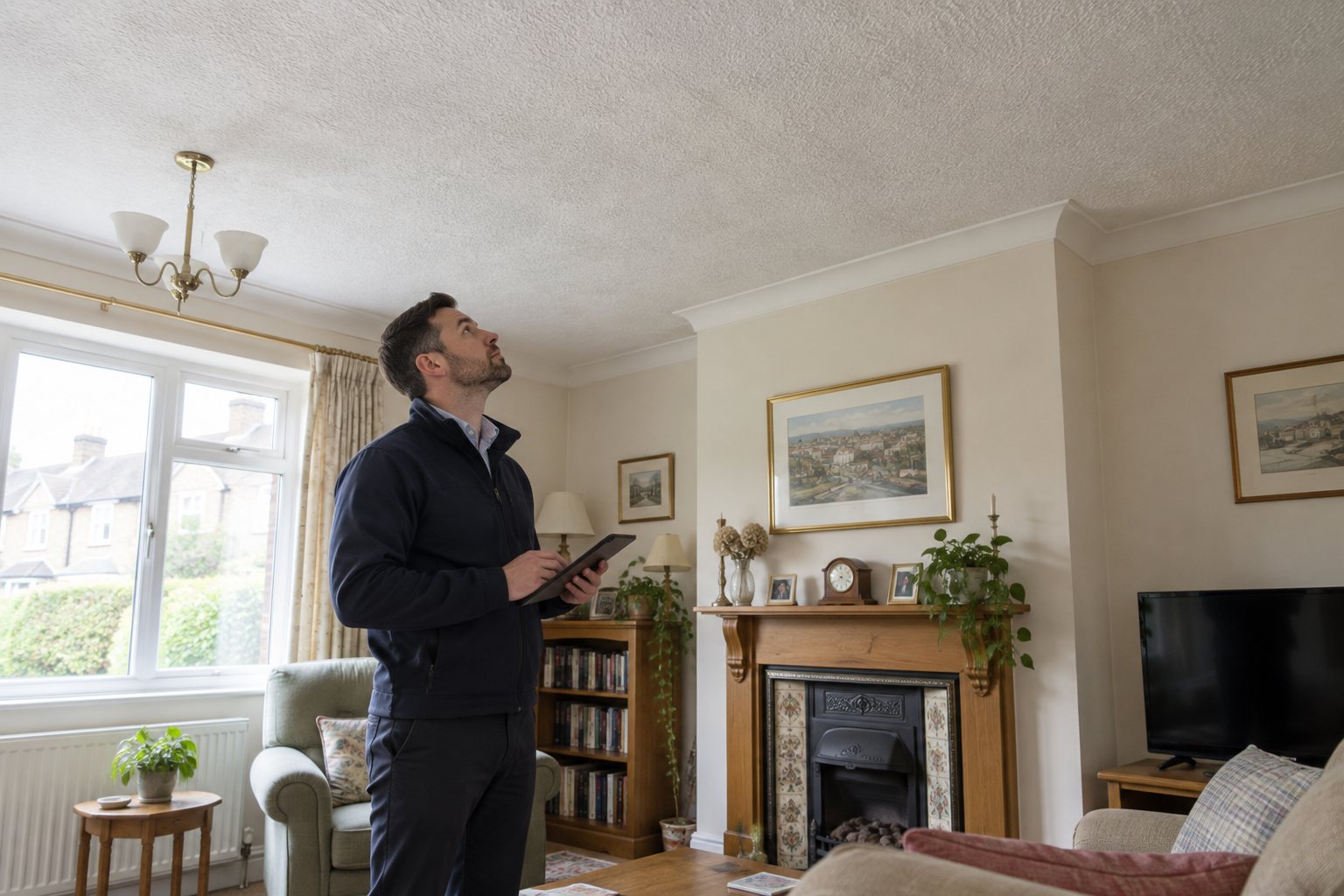
A full RICS (Royal Institution of Chartered Surveyors) valuation (Red Book Valuation) involves a comprehensive property assessment by a qualified RICS Valuation Surveyor. This includes an inspection of the property, a detailed analysis of the property's condition and location, and any factors influencing its value. This type of valuation is often required for legal purposes, high-value transactions, and when a detailed and accurate valuation is necessary.
Pros
- Accuracy: Full valuations provide a more precise and reliable assessment of the property's value due to the thorough inspection and detailed analysis.
- Comprehensive Detail: These valuations include an in-depth report covering all aspects of the property, including structural issues, market conditions, and comparable sales.
- Credibility: Full valuations are widely accepted and trusted by lenders, legal entities, and buyers, providing confidence in the transaction.
Cons
- Cost: Full valuations are more expensive due to the extensive work and expertise involved.
- Time-Consuming: The process takes longer as it requires scheduling an inspection, conducting a thorough review, and compiling the report.
- Inconvenience: A physical inspection can be less convenient, especially if the property is occupied or difficult to access.
Cost of a Full RICS Valuation
The cost of a full RICS valuation generally starts from £450, depending on the property’s size, location, value and complexity. Higher fees may apply to high-value, unusual or particularly complex properties.
Desktop valuation vs full valuation at a glance
Inspection: A desktop valuation uses available property and market data; a full RICS valuation includes an in-person inspection.
Speed: Desktop valuations are normally quicker because no appointment is required.
Cost: Desktop valuations generally start from £250, while full RICS valuations generally start from £450.
Detail: A desktop assessment may not identify the property’s condition or unusual features. A full valuation considers these factors directly.
Best suited to: Desktop valuations can be useful for straightforward, lower-risk requirements. A full RICS valuation is the stronger choice for legal, tax, lending, high-value or complex matters where accuracy and supporting evidence are important.
The correct option depends on the purpose of the valuation and the requirements of the organisation receiving it. If you are unsure, Harding Chartered Surveyors can advise which report is appropriate before you instruct us.

Buying a Lower-Ground or Basement Flat in London: What to Check Before Choosing a Survey
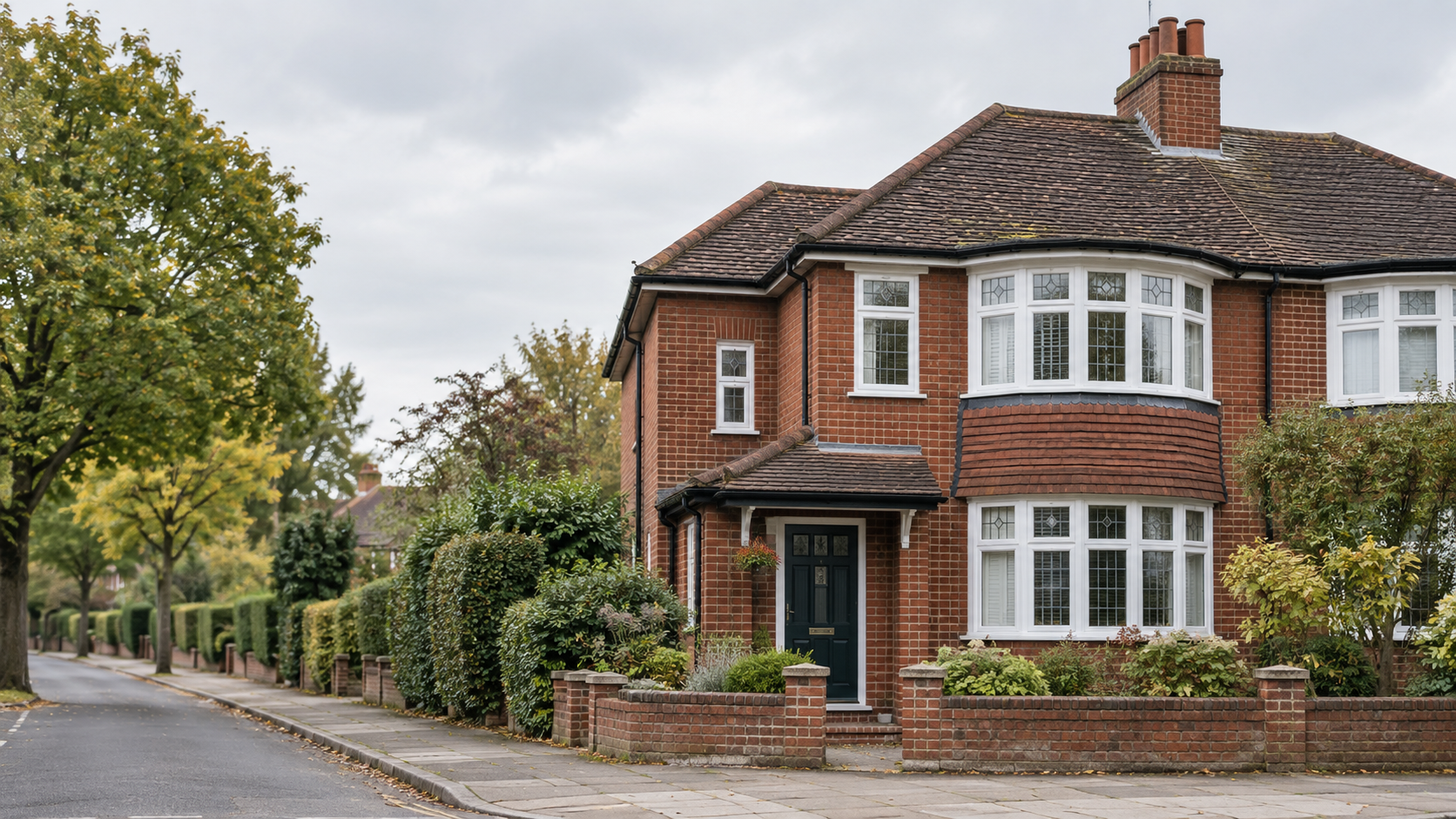
Buying a 1930s Semi in London: What to Check Before Choosing a Survey

Buying a Victorian Conversion Flat in London: What to Check Before Choosing a Survey
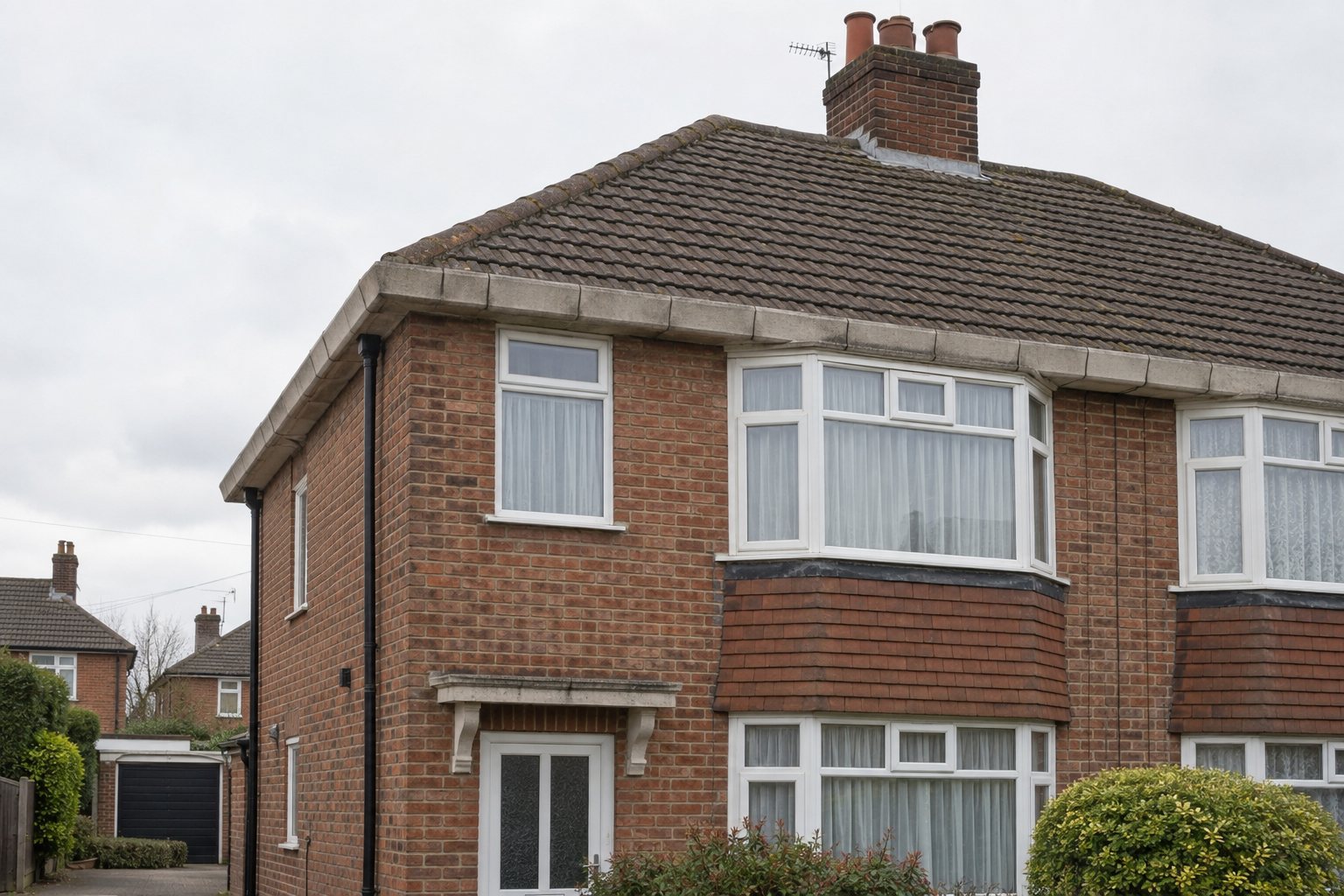
Finlock Concrete Gutters Found During a Building Survey
Asbestos in a House Survey: What Buyers Should Do
Types of RICS Valuations
Market Valuation: This process involves determining a property's market value by evaluating its size, condition, location, and various other characteristics.
Equity Valuation: This valuation is used to ascertain the current market value of a property, particularly useful for repaying a help-to-buy loan or increasing ownership shares.
Help to Buy Valuation: This is an independent assessment of the value of a council or housing association home that tenants intend to purchase.
Probate and Inheritance Valuation: Necessary for distributing a deceased person’s estate among beneficiaries and for calculating inheritance and capital gains taxes.
Capital Gains Tax Valuation: This evaluates the increase in property value for the purpose of capital gains tax when the property is sold.
ATED Valuation: Used by companies owning UK residential properties valued over £500,000 to determine their annual tax liability under the Annual Tax on Enveloped Dwellings (ATED) regime.
Non-Domicile Valuation: Provides the market value of a UK property for non-UK residents, aiding in tax compliance and decision-making for property sales.
Divorce Settlement Valuation: An objective assessment used to fairly distribute assets during a divorce.
Insurance Reinstatement Valuation: Determines the cost to rebuild a property in case of substantial damage, forming the basis for adequate insurance coverage.
Commercial Valuation: Evaluates the worth of commercial properties, such as shops and offices, for purposes including loans, taxation, insurance, or compliance with the Charity Act.
How Harding Chartered Surveyors can Help
At Harding Chartered Surveyors, we pride ourselves on offering the highest standard of property valuations through our RICS Red Book Valuations. These full property valuations are comprehensive and accurate, ensuring that every aspect of your property is thoroughly assessed. Unlike other types of valuations, we do not offer desktop valuations unless we have inspected the property recently. This approach guarantees that our valuation figures are reliable and based on current and precise data about the condition of the property.